Micromixers, Microreactors, and Continuous-Flow Engineering for Demanding Chemical Processes
Fluxway supports micromixers, microreactors, and project-based continuous-flow development for applications where mixing, heat transfer, materials, and process constraints need to be considered together.
Typical discussion topics: mixer selection / reactor evaluation / project fit for continuous-flow development.
Who We Are
Fluxway Technology is a focused engineering team based in Wuhan, China.
We work on micromixers, microreactors, and practical continuous-flow development for demanding chemical process applications, with an emphasis on sound engineering judgment, safety awareness, and real-world constraints.
Our work typically begins with a defined process question: choosing a mixer architecture, evaluating a microreactor concept, or discussing whether continuous-flow development is a practical path.
Why Micromixing Matters
Micromixing matters when local non-uniformity changes process outcome.
Process Sensitivity
When the first moments of contact affect selectivity, impurity formation, thermal behavior, supersaturation, or reproducibility, front-end mixing becomes more than a detail.
In these cases, mixer choice can influence how the process behaves before the system becomes locally uniform.
Engineering Relevance
Not every process needs a micromixer. These tools are most relevant when mixing at the point of contact materially affects performance, safety, or development decisions.
Micromixer Architectures
We work across multiple micromixer architectures rather than pushing a single geometry into every duty.
Different process windows call for different trade-offs in pressure drop, solids tolerance, residence behavior, fabrication complexity, and material selection.
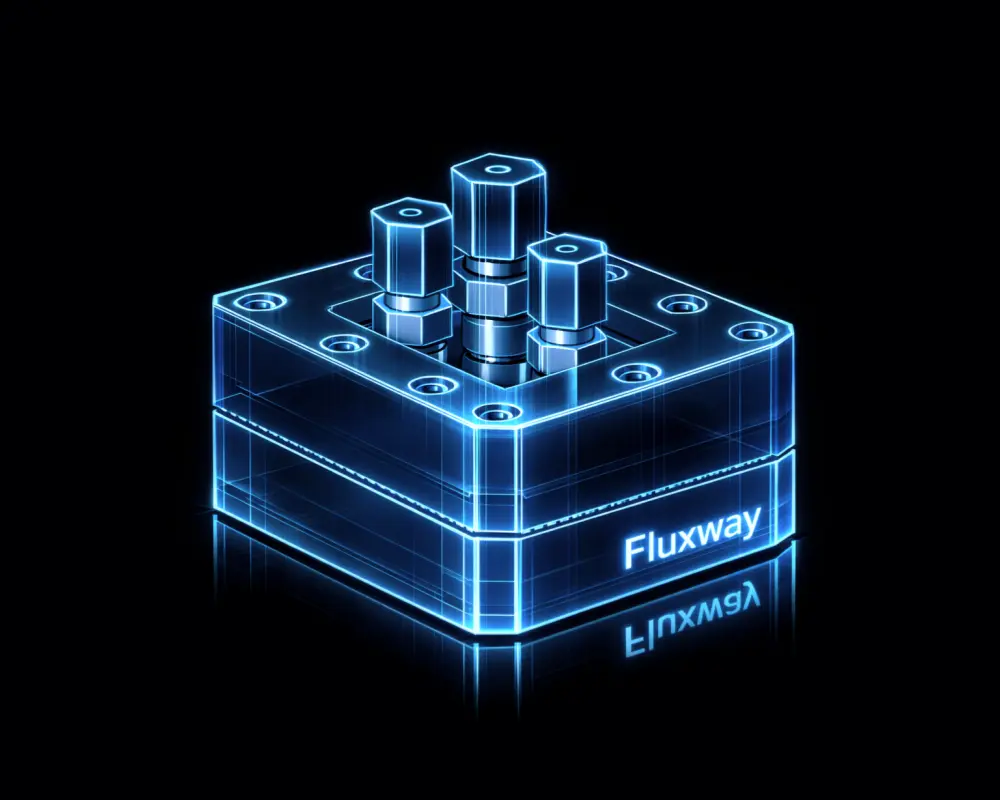
Tesla-Valve Micromixers
Passive mixing enhancement through elegant internal flow geometry.Structured internal flow paths promote repeated redirection and interaction without moving parts.
- Quartz, glass, metal, or application-specific materials
- Continuous liquid-phase mixing
- Custom geometry adaptation available
- Standalone or system integration

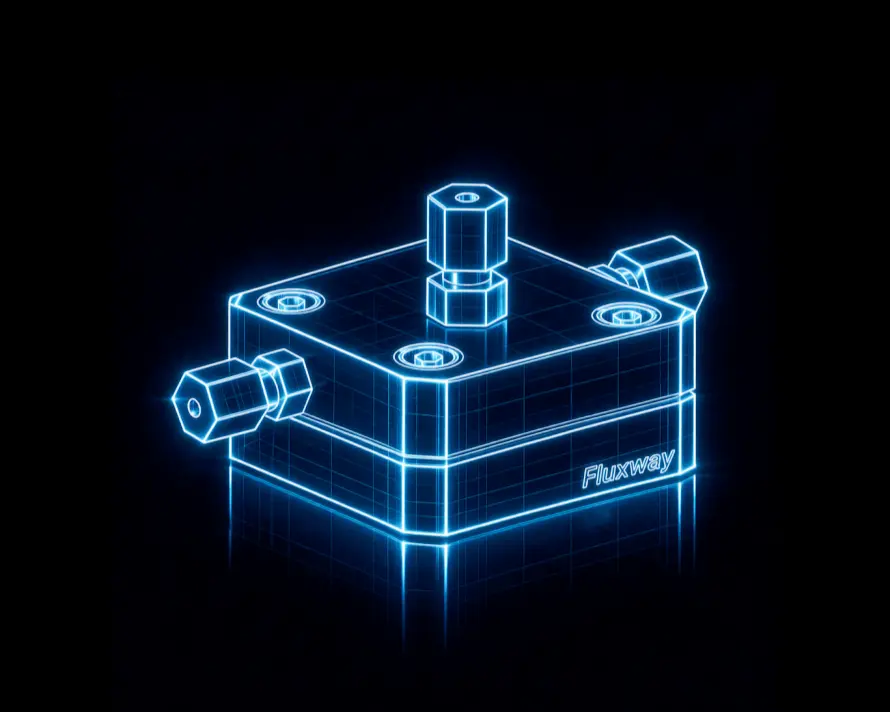
Split-and-Recombine Micromixers
Structured flow splitting and recombination for efficient mixing.Streams are repeatedly divided and recombined to improve interfacial renewal and mixing uniformity.
- Structured Split-and-Recombine channels
- Adaptable materials and geometry
- Scalable flow-path repetition
- Suitable for controlled mixing duties
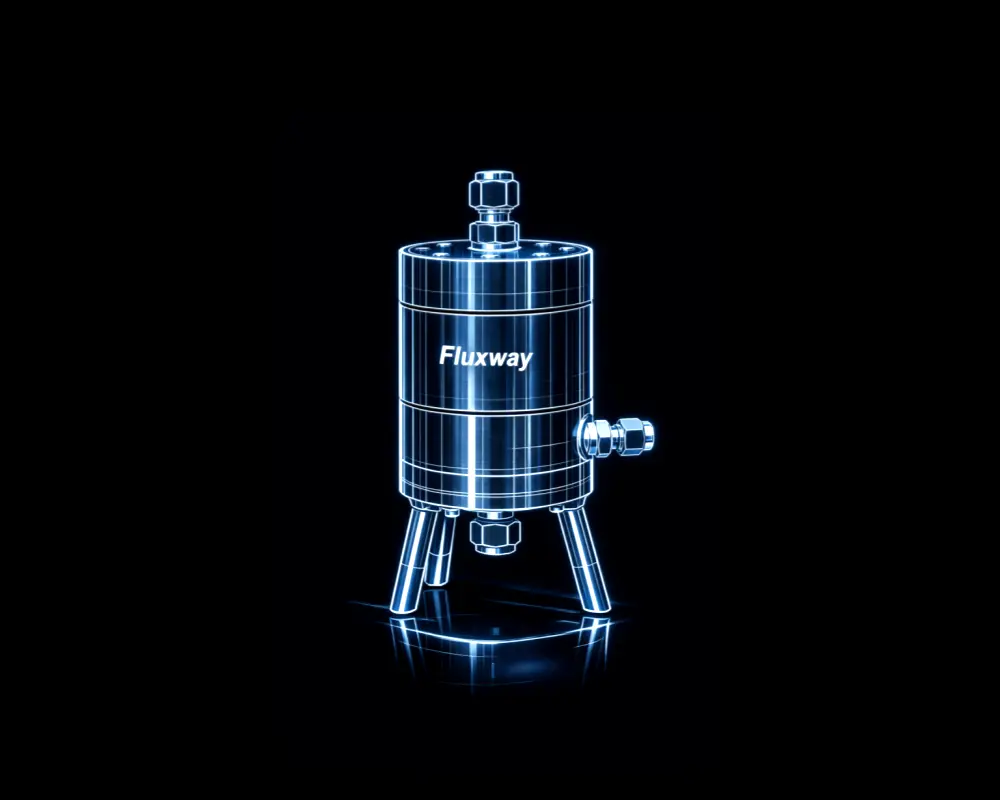
Slit Interdigital Micromixers
Fine multilayer contact for rapid mixing in compact channels.Multiple narrow streams are brought into close contact through slit-based distribution for rapid initial mixing.
- Multistream slit-based distribution
- Compact channel layouts
- Short diffusion paths
- Application-specific adaptation available
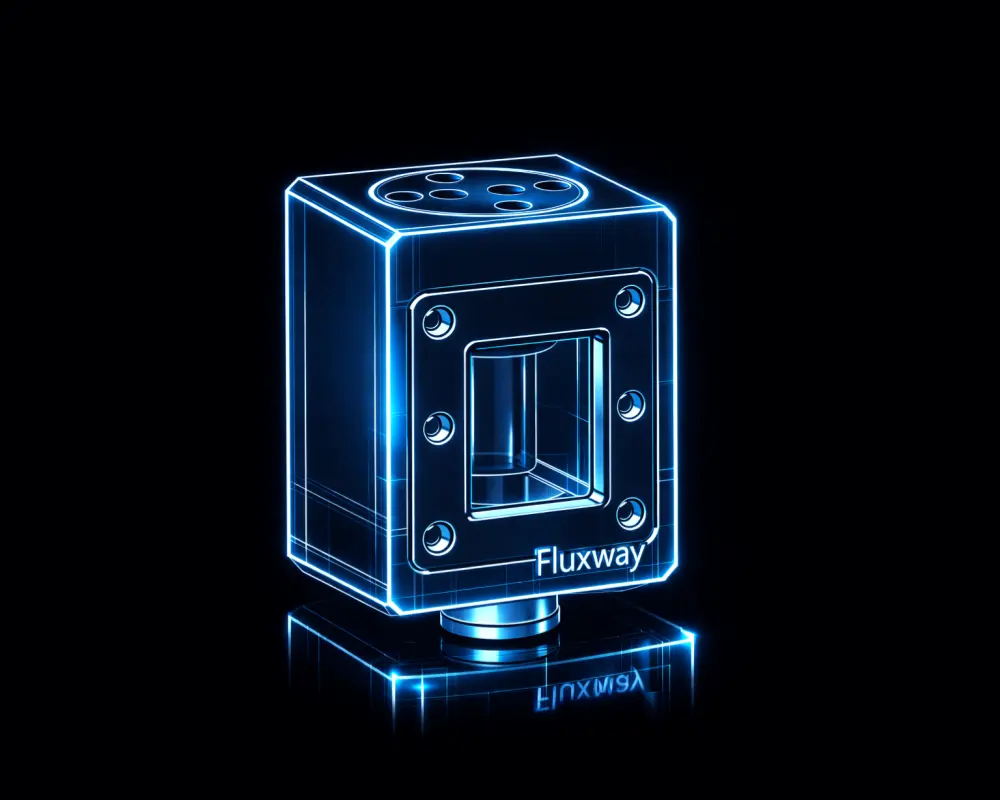
Multilamination Micromixers
Layered flow subdivision for fine mixing performance.Layer subdivision and increased interfacial area support fine mixing under controlled flow conditions.
- Multilayer flow subdivision
- Channel-based mixing structure
- Configurable geometry and materials
- Repeatable performance-oriented design
Impinging / Collision Micromixers
Intense front-end mixing for demanding process conditions.Direct stream interaction and strong local energy dissipation enable very fast mixing where timing and concentration control matter.
- Direct impingement or collision-based interaction
- High local mixing intensity
- Suitable for fast front-end process conditions
- Standard or custom-engineered concepts

Custom Micromixer Architectures
Designed around your chemistry, flow window, and engineering goals.Custom micromixers are developed around reaction behavior, materials constraints, operating windows, and integration needs.
- Custom geometry and materials
- Connection and integration design
- Performance and safety driven
- Process-specific engineering development
Explore the architecture categories below to see where each approach may fit.
Explore MicromixersBeyond Mixing
Mixer selection is often only the front end of a larger engineering question.
For selected duties, we also discuss microreactor evaluation, heat-management-driven geometry choices, and practical development paths from reaction concept toward usable continuous-flow hardware.
Typical Situations Where Customers Approach Us
Fast competitive reactions
Hazardous or exothermic chemistry
Quenching and inline initiation
Liquid-liquid contacting
Process intensification studies
Lab-to-pilot development questions
Why Work With a Focused Team
- Direct technical communication
- Clearly defined engineering scope
- Architecture selection based on process fit
- Custom development when standard hardware is not enough
- A practical mindset shaped by process constraints, not only by geometry
Typical Deliverables
Selected support for microreactor evaluation or project-based engineering collaboration
Working on a mixing-sensitive process or a demanding flow-chemistry question?
We welcome focused technical discussions on micromixer selection, microreactor evaluation, and practical continuous-flow development.
Contact Fluxway